
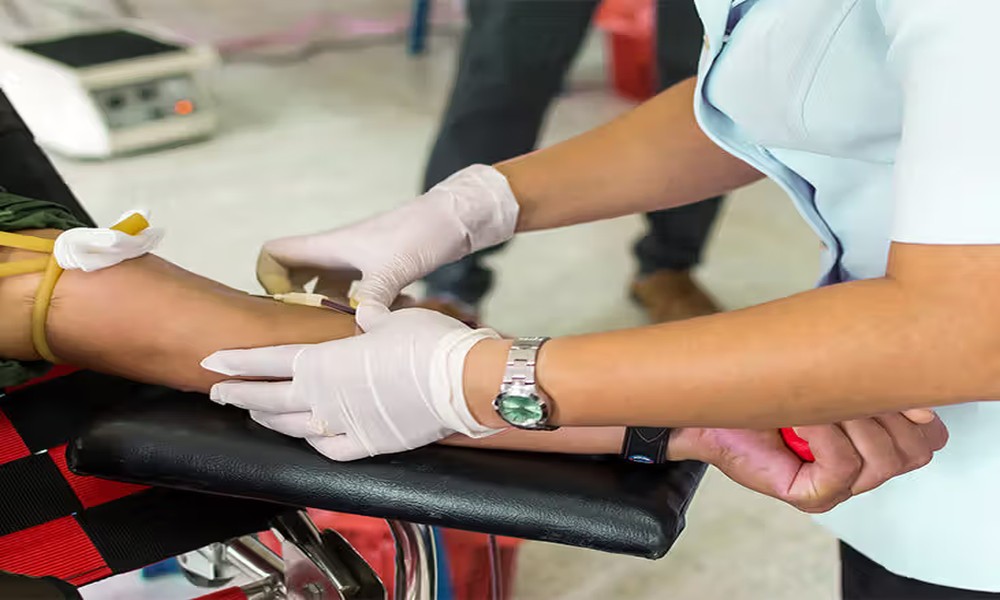
Plasma donation plays a vital role in modern healthcare, supporting treatments for patients with immune disorders, bleeding conditions, and other serious medical needs. While many people are willing to donate, not everyone is immediately eligible. Donation centers follow strict screening standards to ensure the safety of both donors and recipients. Understanding what are the requirements to donate plasma helps potential donors prepare properly and avoid unnecessary delays during their visit.
Eligibility rules are designed to protect your health while ensuring that donated plasma meets quality standards. These requirements include age, weight, health history, lifestyle considerations, and documentation. Being aware of these guidelines before scheduling an appointment allows you to arrive confident and well-prepared.
Age, Weight, and Basic Physical Requirements
One of the first things donation centers check is your age and weight. Most centers require donors to be at least 18 years old and weigh a minimum of 110 pounds. These basic standards ensure that your body can safely handle the plasma donation process without risk to your well-being. Meeting these criteria is the starting point for determining what are the requirements to donate plasma.
In addition to age and weight, your vital signs will be checked during your visit. Staff members measure blood pressure, pulse, and temperature to confirm that you are in stable condition. Hemoglobin and protein levels are also tested through a small blood sample. These checks ensure that your body is capable of donating plasma without experiencing negative side effects. If any readings fall outside acceptable ranges, you may be asked to return at another time.
Medical History and Health Screening
A thorough health questionnaire is part of every plasma donation appointment. You will be asked about past illnesses, surgeries, medications, and overall lifestyle habits. This screening process is essential in determining what are the requirements to donate plasma for your specific situation. Certain medical conditions, such as heart disease, blood disorders, or infectious diseases, may affect your eligibility.
Recent vaccinations, travel history, tattoos, or piercings may also require a waiting period before you can donate. This precaution helps ensure that the plasma collected is safe for medical use. Honesty during this screening is critical. Providing accurate information protects both you and the patients who will rely on the plasma for treatment.
Identification and Documentation Requirements
Proper documentation is another important part of eligibility. Donation centers require valid identification to verify who you are and where you live. A government-issued photo ID is typically required, along with proof of your current address. Some centers may request your Social Security number as part of their records. Bringing these documents with you helps streamline the process and avoids delays.
Understanding what are the requirements to donate plasma includes knowing that documentation is not optional. These rules exist to maintain accurate donor records and ensure compliance with healthcare regulations. Returning donors are often issued a donor card, which should be brought to future appointments for faster check-in.
Lifestyle Factors That Affect Eligibility
Lifestyle choices can also influence your ability to donate plasma. Adequate hydration, proper nutrition, and overall health are essential before each donation. Consuming alcohol before your appointment or arriving dehydrated can lead to temporary deferral. Eating a balanced meal rich in protein and iron helps your body prepare for the process.
Sleep and stress levels may also impact how you feel during donation. Centers want donors to be in good physical condition to avoid complications. Understanding what are the requirements to donate plasma means recognizing that your daily habits play a role in your eligibility. Maintaining a healthy routine improves your chances of donating regularly without issues.
Eligibility rules for plasma donation are designed with safety and quality in mind. Age, weight, medical history, documentation, and lifestyle all contribute to determining whether you can donate. By learning what are the requirements to donate plasma ahead of time, you can prepare properly and make the process smooth and stress-free. Being informed ensures that you arrive ready to contribute to a life-saving cause while protecting your own health throughout the experience.