
Why Plasma Donation is a Game-Changer for Healthcare
The Vital Role of Plasma in Modern Medicine
Plasma, the liquid component of blood, makes up about 55% of its total volume and is primarily composed of water, electrolytes, proteins, hormones, and waste products. Its role in modern medicine cannot be overstated; it serves as a critical medium that facilitates the transportation of nutrients, antibodies, and clotting factors throughout the body. Plasma donation is vital for the preparation of essential therapies, including immunoglobulins, clotting factors for hemophilia patients, and albumin for liver disease treatment. With its wealth of proteins, plasma plays a pivotal role in treating numerous medical conditions, particularly in emergency and trauma care. Moreover, the diverse applications of plasma extend beyond immediate medical interventions. It can help produce therapies for various chronic disorders, such as immune deficiencies, certain cancers, and infections. This versatility places plasma at the heart of innovative medical research, positioning plasma donation as an indispensable contributor to advancing healthcare outcomes. As demand for plasma-derived products continues to rise, for instance, the CDC reports a 20% increase in such therapies over the past few years. The significance of NJ plasma donation also becomes increasingly evident, offering hope and healing to countless individuals across New Jersey and beyond.
Transforming Lives: Stories of Recipients
The real impact of plasma donation can often be gauged through the heartfelt stories of those who receive therapies derived from this life-saving fluid. Take, for instance, a local New Jersey mother who has been battling a rare autoimmune disorder for years. After exhausting multiple treatments, she finally found solace in a plasma therapy that not only alleviated her symptoms but also restored her ability to engage with her family and community. Each donation she receives translates into tangible improvements, allowing her to reclaim her life and inspire others facing similar challenges. These narratives are seen not just in anecdotal instances but also in medical facilities where healthcare teams witness the transformative effects of plasma therapies daily. For patients diagnosed with conditions like Guillain-Barré syndrome or certain types of cancer, the infusion of plasma-derived immunoglobulins can bolster their immune systems, offering a fighting chance against debilitating illnesses. By donating plasma, individuals contribute not merely to a storage bank but directly to the hopes, dreams, and recoveries of real people and families who have been affected by chronic and acute health issues.
The Science Behind Plasma and Its Healing Properties
Diving deeper into the scientific implications of plasma, it becomes clear how its unique components offer healing benefits. Plasma contains a multitude of proteins, including antibodies, clotting factors, and albumin, each playing specialized roles in health. Immunoglobulins constitute a cornerstone for the immune system, working to neutralize pathogens and enhance the body’s defense mechanisms. This ability to forge immunity is critically important in the treatment of autoimmune disorders and severe infections, particularly when patients’ own immune systems falter. The role of clotting factors in plasma cannot be ignored either. For patients suffering from hemophilia or other bleeding disorders, the presence of these proteins facilitates proper blood coagulation, preventing life-threatening complications. Recent advancements also hint at the potential use of plasma in treating COVID-19; convalescent plasma therapy has shown promise in containing the virus’s spread and alleviating symptoms in infected patients, displaying plasma’s crucial role amid global health crises. By understanding these scientific underpinnings, potential donors can appreciate the profundity of their contribution and the waves of change it can create in medical landscapes.
A Step-by-Step Guide to Donating Plasma in New Jersey
Preparing for Your Donation: What You Need to Know
Before you even step into a plasma donation center in New Jersey, preparation is key to ensuring a smooth donation process. First, ensure you’re well-informed about the eligibility criteria: you must be over 18 years, weigh at least 110 pounds, and be in good health. Each donation center will require you to provide identification and may ask you to fill out a detailed health questionnaire to assess your risk factors. It’s also essential to hydrate adequately in the days leading up to your donation. Drink plenty of water (not just on the day of donation) to help increase your plasma volume, making it easier to retrieve during the procedure. Additionally, avoid fatty foods or alcohol for at least 24 hours before your appointment, as these can interfere with the quality of the plasma collected. Many donors also find that having a light snack beforehand helps alleviate any potential dizziness during or after the donation. Following these guidelines will not only enhance your donation experience but will also ensure that you contribute high-quality plasma crucial for therapeutic use.
The Donation Experience: From Arrival to Aftercare
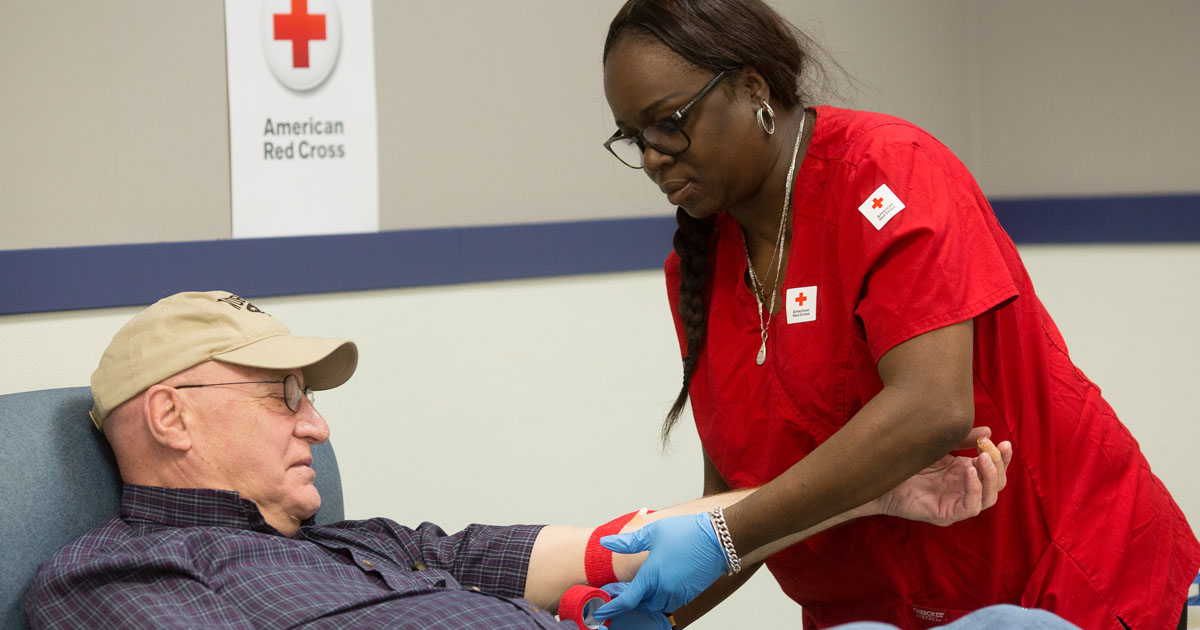
Upon arriving at a New Jersey plasma donation center, expect a friendly welcome and an atmosphere geared towards comfort and professionalism. After you check in, you’ll undergo a series of preliminary examinations. This typically includes measuring your blood pressure, pulse, and temperature, as well as a simple blood test to confirm your hemoglobin levels meet the necessary requirements. Once cleared, it’s time for the donation itself, which typically takes about 1-2 hours. A trained technician will insert a needle into your arm and connect it to a machine that separates plasma from other blood components. It’s important to remember that you may experience minor discomfort, but most donors find the experience manageable. To ensure your comfort during the donation, you’ll be encouraged to relax, listen to music, or even read. After the donation is complete, you will spend a brief period in the recovery area where you will be monitored by staff. During this time, a small snack and some juice will replenish your energy levels. Following the donation, it’s advisable to avoid strenuous activities for the rest of the day, allowing your body the time it needs to restore the plasma you’ve donated. Many donors report feeling revitalized and proud of their contribution, knowing that their sessions of service can profoundly impact lives.
Post-Donation: Recovery Tips and What to Expect
Recovery after plasma donation is a crucial phase that ensures you fully regain your energy. Right after donating, make sure you hydrate to help maintain your blood volume. A few glasses of water or electrolyte drinks will assist you greatly in this. Additionally, it’s wise to consume a nutritious meal that’s rich in iron and protein, such as chicken, fish, or legumes, to replenish your body’s resources. During the initial 24 hours, it’s normal to feel slightly fatigued; listen to your body and avoid pushing yourself physically. Take it easy, ensuring that you do not engage in any vigorous activities or heavy lifting until your body has recuperated. There may be minor bruising or soreness at the needle site, which is common and should subside within a few days. If tenderness persists or if you notice any unusual symptoms, reach out to your donation center for guidance. A proactive approach to post-donation care not only aids your recovery but ensures that you’re ready and able to continue being an invaluable part of the plasma donation community every few weeks.
The Impact of Plasma Donation on Your Community
Plasma Clinics: Where to Find Them and Their Importance
New Jersey boasts numerous plasma donation clinics, each functioning as a critical hub for remedying healthcare shortages in the region. Clinics like those operated by CSL Plasma, Octapharma Plasma, and Grifols are strategically located to serve local populations, ensuring accessibility for prospective donors. These clinics are equipped with state-of-the-art technology and staffed by trained professionals who prioritize safety, comfort, and education. The importance of these clinics transcends mere collection; they forge a community of donors and recipients, acting as a bridge to connect those in need of plasma-derived therapies with compassionate citizens willing to donate. Outreach programs organized by these clinics often educate the public about the life-saving benefits of plasma donation, encouraging wider community participation. The commitment to improving public health through plasma donation represents a collective endeavor that holds the potential to save lives, foster community spirit, and ultimately, reshape healthcare accessibility in New Jersey.
The Ripple Effect: How Your Donation Helps Local Patients
The impact of donating plasma reverberates throughout the community, generating a ripple effect that extends well beyond the individual donor. Each donation you make creates the potential for immediate life-saving treatment for patients who depend on plasma-derived therapies. For every 1,000 donors, numerous individuals battling chronic illnesses, surviving congenital blood disorders, or recovering from trauma receive necessary interventions to facilitate their recovery process. This ensures that not only are patients getting what they desperately need, but it also lightens the burden on local hospitals and healthcare systems that often face shortages. The availability of plasma-derived products can be the difference between life and death, illustrating how one person’s willing act can positively tailor the fate of another. Furthermore, the act of donation often inspires others within your social circles, creating a community culture centered around altruism and care for fellow citizens. Advocacy from plasma donors has the power to raise awareness, encouraging those around them to consider their potential impact, further amplifying the ongoing need for donations.
Engaging with Local Events: Building a Plasma Donation Community
Many plasma donation centers in New Jersey and local organizations conduct engaging events to encourage more people to consider donating. From health fairs to special thematic drives, these gatherings not only create an enjoyable community atmosphere but also effectively spread awareness of the importance of plasma donation. Events often include educational seminars, meet-and-greets with recipients, and live demonstrations to illustrate the donation process, demystifying potential fears for first-time donors. By participating in these community events, donors can deepen their connection to their local healthcare landscape, realizing their actions contribute to a larger narrative of public health and safety. In addition, these events help to build bonds between diverse community members, fostering a fellowship that thrives on empathy, sharing personal stories, and garnering shared commitment toward public health initiatives. In the age of social media, many organizations also encourage donors to share their experiences online, inspiring others in their networks to join the movement and strengthen the community even further.
Navigating Myths and Misconceptions About Plasma Donation
Debunking Common Myths: Ensuring You Have the Facts
As is often the case with philanthropic endeavors, many misconceptions surround plasma donation that can deter potential donors. One of the most common myths is that donating plasma is as painful as giving blood. In reality, most donors describe the experience as manageable, with discomfort usually limited to the insertion of the needle. For many, the potential to save lives far outweighs temporary discomfort. Additionally, some individuals erroneously believe that donating plasma is time-consuming; however, the average donation process takes around two hours, which is often completed during a lunch break or other short intervals in their daily schedule. Another myth involves the idea that frequent donation can negatively affect one’s health. Medical guidelines assert that healthy adults can safely donate plasma up to twice a week without adverse effects, as the body naturally replenishes the donated plasma quickly. Educating others about these and other myths not only encourages more individuals to explore the possibility of becoming donors but also instills confidence in those who may be apprehensive about starting their donation journey.
The Differences Between Plasma, Blood, and Platelet Donation
Understanding the differences между plasma, blood, and platelet donation is essential for anyone interested in contributing to their community through donation. While all three derive from blood, they serve different purposes in medical treatments. Blood donation involves collecting whole blood, which is separated into its components red blood cells, plasma, and platelets, only after donation. In contrast, plasma donation specifically targets the yellowish fluid that contains proteins necessary for treatments. Platelet donation, on the other hand, focuses on collecting platelets which are crucial for blood clotting and are typically used in cancer treatments or surgeries. Unlike plasma, platelet donation often requires a longer collection time, and donors cannot donate platelets as frequently as plasma. This distinction allows prospective donors to choose how they wish to support their community based on individual health and lifestyle considerations.
Understanding Eligibility: Who Can and Can’t Donate?
Each plasma donation center in New Jersey operates within specific eligibility criteria to ensure the safety of both donors and recipients. While the basics, such as being in good health, over 18 years of age, and meeting weight requirements, are universal, more nuanced factors influence one’s ability to donate. For example, individuals who have recently received vaccinations or have certain chronic health conditions may be temporarily deferred from plasma donation. Donors who have traveled to specific countries or regions where infectious diseases are prevalent may also experience restrictions aimed at protecting both their health and that of potential recipients. Familiarizing yourself with these eligibility requirements is crucial before donating, as maintaining strict health guidelines supports the overall integrity of the plasma supply. Additionally, clinics often emphasize the importance of open and honest communication, encouraging potential donors to discuss their health history comprehensively, ensuring they meet all criteria before making a donation.