
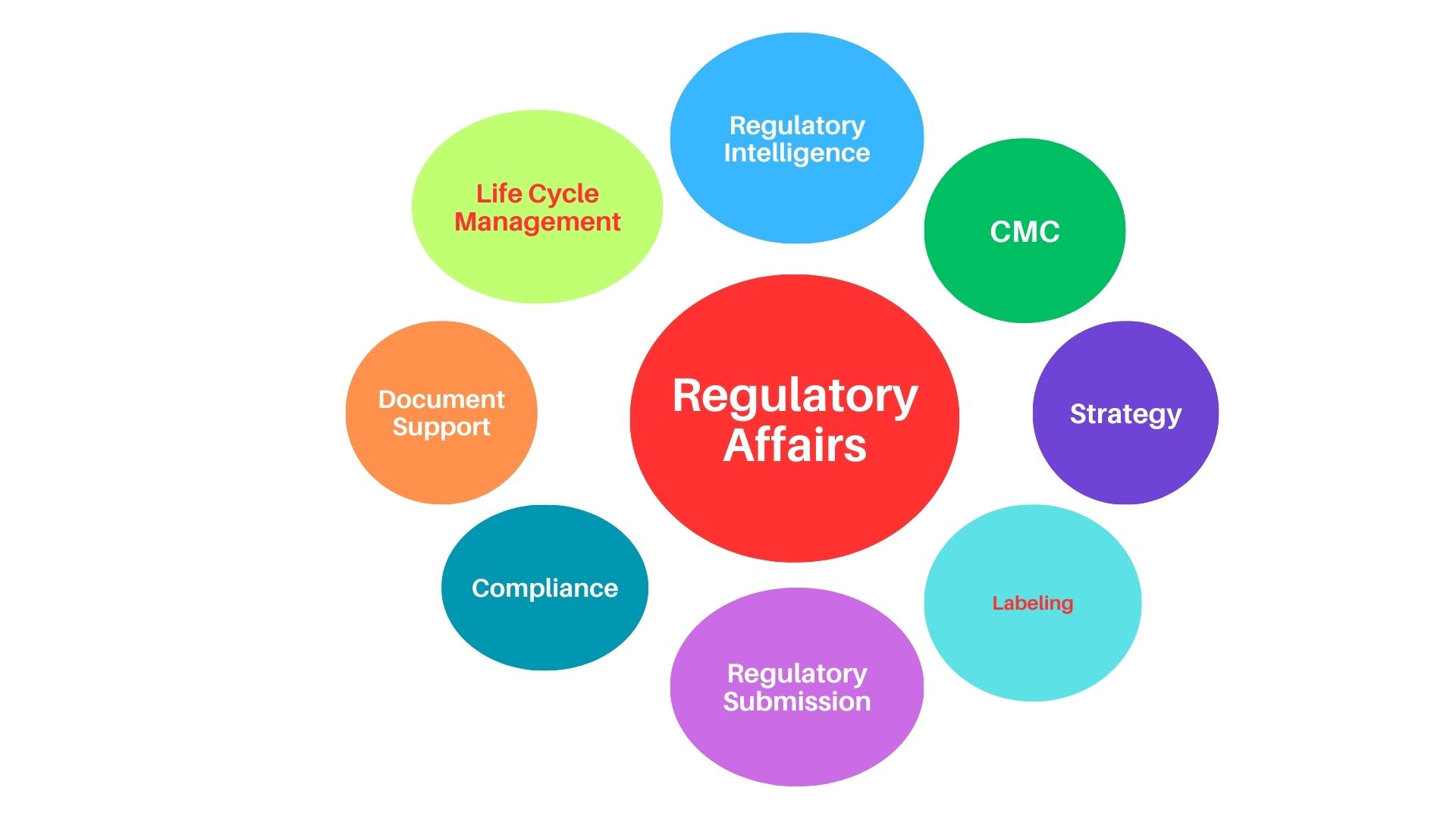
The biotech industry is driven by innovation—but bringing that innovation from the lab to the market requires more than scientific discovery. It demands a detailed understanding of the regulatory environment, especially when engaging with the U.S. Food and Drug Administration (FDA). That’s where FDA regulatory experts come in. These professionals play a pivotal role in guiding biotech firms through complex development and approval pathways.
Whether it’s for a novel biologic, gene therapy, or medical device, regulatory experts serve as strategic partners throughout the entire product lifecycle. Here’s a breakdown of their critical role in the biotech sector.
1. Translating Science Into Regulatory Strategy
One of the main responsibilities of an FDA regulatory expert is converting scientific innovation into a clear, actionable regulatory plan. They work closely with biotech researchers and executives to:
- Identify the appropriate product classification (drug, biologic, device, or combination product)
- Select the most efficient FDA approval pathway (e.g., IND, NDA, BLA, or De Novo)
- Define preclinical and clinical development strategies
- Align project goals with current FDA guidance and expectations
Without this strategic planning, companies risk delays, non-compliance, or missed opportunities for accelerated approval programs.
2. Managing Key Regulatory Submissions
The submission of documents to the FDA—such as Investigational New Drug (IND) applications, New Drug Applications (NDA), or Biologics License Applications (BLA)—is a critical milestone in biotech development. Regulatory experts ensure these submissions are scientifically sound, properly formatted, and aligned with FDA requirements.
Their role includes:
- Overseeing data collection and document organization
- Ensuring consistency across clinical, nonclinical, and CMC (Chemistry, Manufacturing, and Controls) sections
- Reviewing content for regulatory readiness and scientific clarity
- Leading response strategies for FDA feedback and information requests
These tasks are essential to keep programs on track and avoid costly clinical holds.
3. Preparing for FDA Meetings and Interactions
FDA interactions—especially Pre-IND, End-of-Phase 2, and Pre-NDA meetings—offer valuable guidance that can shape development strategies. An FDA regulatory expert helps biotech teams:
- Define meeting objectives and submit briefing documents
- Prepare teams to respond to FDA queries
- Interpret agency feedback and incorporate it into development plans
Such preparation ensures a constructive dialogue with the FDA, helping to streamline approval timelines.
4. Ensuring GMP and Quality Compliance
FDA regulatory consultants play a key role in ensuring that Good Manufacturing Practices (GMP) are established and maintained. This is particularly crucial in biotech, where the manufacturing of biologics or gene therapy products requires strict quality controls.
They support teams in:
- Auditing manufacturing facilities
- Reviewing quality management systems
- Advising on batch release criteria and validation protocols
With increasing FDA scrutiny on production consistency, this oversight is vital to avoid delays in both clinical trials and market approval.
5. Supporting Post-Market Surveillance and Compliance
Even after a product is approved, regulatory responsibilities don’t end. FDA experts assist in monitoring safety and compliance through:
- Adverse event reporting systems
- Label updates and supplemental applications
- Post-marketing study planning and execution
This ongoing support ensures the product remains in compliance with regulatory standards while responding to evolving data and real-world use.
6. Providing Cross-Functional Regulatory Insight
FDA consultants often act as the bridge between scientific, clinical, and commercial teams. Their cross-functional insight helps biotech companies:
- Align regulatory goals with business objectives
- Secure investor confidence through regulatory readiness
- Navigate emerging regulatory frameworks, such as those for gene editing or digital health technologies
An experienced CERES FDA regulatory consultant, for example, brings deep expertise in FDA pathways and biotech-specific challenges, offering both technical and strategic value to development programs.
Conclusion
In the fast-paced world of biotech, the role of an FDA regulatory expert is indispensable. These professionals provide the strategic foresight, technical knowledge, and regulatory experience needed to bring breakthrough therapies to market. By partnering with the right consultant, biotech firms can navigate the FDA landscape with confidence and accelerate the path from discovery to delivery.