
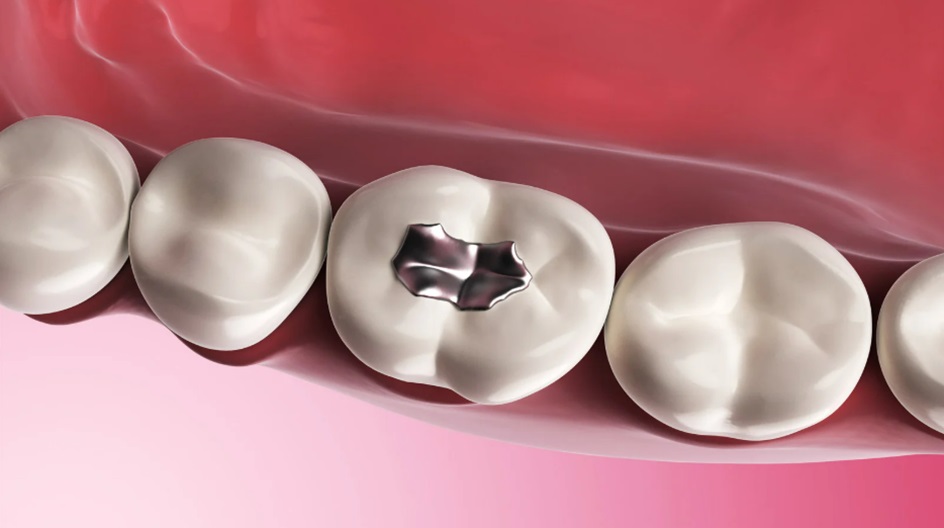
Cavities, often perceived as minor inconveniences, can quickly escalate into more severe dental problems when ignored. While a tooth filling in Oakville offers an effective solution for repairing decayed teeth, delaying this essential procedure could jeopardize your oral health. Early intervention with dental fillings isn’t just about aesthetics or convenience, it’s about preserving your natural teeth and avoiding complications. This article explores the potential risks and long-term consequences of postponing treatment for cavities.
Why Timely Dental Fillings Are Essential
Dental fillings are a straightforward, preventive measure to stop cavities from worsening. A delay in addressing tooth decay can initiate a chain reaction of oral health issues that can be difficult, and costly, to resolve. Let’s understand why taking early action is critical and what could happen if this step is delayed.
The Progressive Nature of Tooth Decay
When a cavity forms, the damage begins with the enamel, the outer layer of your tooth. At this stage, getting a filling is usually quick and painless. However, untreated cavities continue to penetrate deeper into the tooth, potentially reaching the dentin and even the pulp. This can cause serious issues like abscesses, severe pain, and the need for more invasive treatments, such as root canals or tooth extractions. Postponing a filling also risks compromising the structural integrity of the tooth, making it more vulnerable to fractures.
Increased Risk of Infection
An untreated cavity provides a gateway for bacteria to enter your tooth’s pulp and root, potentially leading to infection. Bacteria can quickly multiply, resulting in inflammation and the formation of painful abscesses. If left untreated, these infections may spread to surrounding tissues and even other parts of the body, complicating your overall health.
Additionally, understanding how fillings restore damaged areas and prevent further decay plays a crucial role in patient awareness. This topic is further elaborated on by unveiling the longevity of tooth fillings, which highlights the enduring benefits of maintaining them.
Financial and Physical Costs of Delayed Treatment
Putting off a seemingly simple filling can have both short-term and long-term consequences that extend beyond oral health.
Escalating Expenses
A tooth filling is typically one of the more cost-effective dental procedures. However, delaying this step can escalate the required treatment to procedures like crowns, root canals, or implants, each significantly more expensive than a basic filling. Even with insurance, these advanced treatments can strain your budget.
Physical Discomfort
Cavities don’t just heal on their own; they worsen over time. As the decay deepens, it often causes heightened sensitivity to hot and cold foods and beverages, persistent aches, or sharp pain when chewing. Without treatment, this discomfort can become increasingly severe, disrupting daily life.
Impacts on Overall Health
It’s essential to understand that untreated cavities don’t just affect the mouth, they can have systemic effects on overall health.
Links Between Oral and General Health
Scientific studies have shown a clear connection between oral health and systemic conditions. Bacteria from an infected tooth or gums can enter the bloodstream, potentially contributing to issues such as endocarditis (infection of the heart lining) and increased risks of cardiovascular disease. Ignoring tooth decay can, therefore, have serious implications beyond your smile.
Furthermore, preventative care like dental fillings not only stops decay but also minimizes the chance of such health complications. You can understand this in more detail by asking your dentist how a dental filling prevents tooth decay.
The Broader Impacts of Delayed Dental Care
Beyond physical health concerns, ignoring cavities can lead to cosmetic and psychological challenges.
Aesthetic Concerns
Severe decay can cause visible discoloration, fractures, or loss of teeth, all of which may affect your confidence. Addressing cavities early with a filling can help preserve the natural appearance of your teeth, ensuring your smile remains intact.
Lowered Quality of Life
Chronic dental pain and the inability to enjoy certain foods can diminish your quality of life. Life becomes harder when every bite, sip, or smile reminds you of unresolved dental issues. Timely fillings prevent such hindrances, promoting both comfort and well-being.
Conclusion
Ignoring a seemingly minor cavity can invite a cascade of problems ranging from infections to increased financial burdens and even overall health risks. Opting for timely intervention with a dental filling not only preserves your tooth but also safeguards your general health and well-being. Ultimately, professional care is key, it’s never advisable to delay or attempt to manage dental issues without the guidance of an expert.
Choosing proactive care now can prevent a world of discomfort and complexity later. Always prioritize your oral health as an integral part of your overall well-being.