
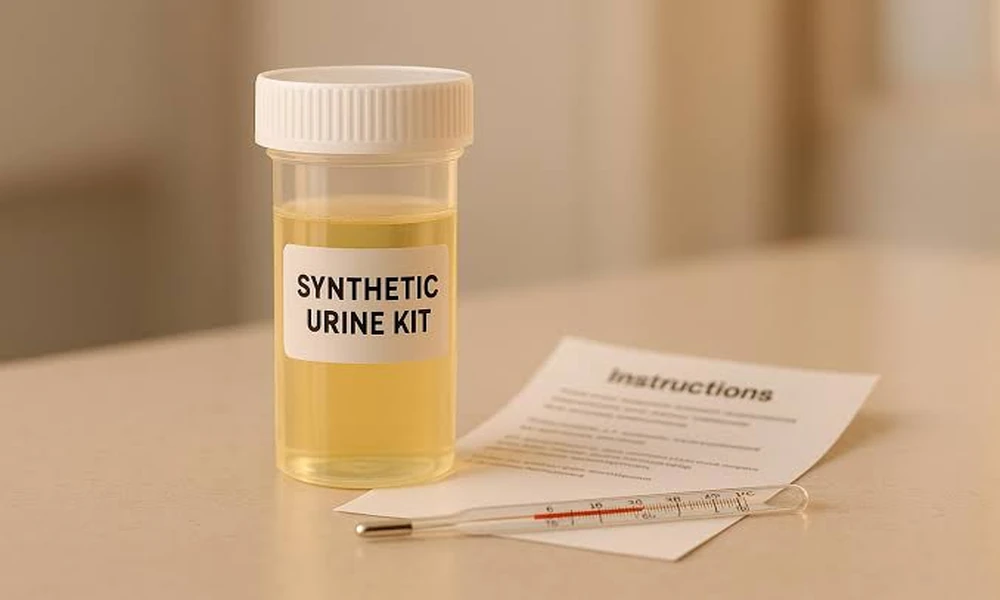
A quick online search can introduce dozens of laboratory products with similar names, labels, and descriptions. Some appear in research supply catalogues, while others are discussed in educational articles about testing methods. Somewhere between those conversations, Synthetic urine is mentioned as a laboratory-made sample created for specific non-human testing purposes.
Laboratory Products Keep Changing
Laboratory equipment has changed steadily as research methods have become more precise. Sample containers, testing materials, measuring devices, and preparation products now arrive with clearer labelling than earlier versions. Manufacturers continue updating packaging to match current laboratory practices, making identification much easier during routine handling.
A quick glance at two similar products can still create confusion. Labels may look alike even though their intended applications differ completely.
Reading Product Labels Carefully
Every product label tells a small story. Storage directions appear beside handling notes, while ingredient information and expiration details occupy another section. Missing one line can create unnecessary confusion during routine laboratory preparation.
Printed instructions usually explain whether a product should remain sealed until use or stored under particular environmental conditions. Those details become part of normal laboratory organization rather than an afterthought.
Simple Preparation Notes
- Read every package label before opening laboratory preparation materials.
- Store products according to manufacturer handling recommendations carefully.
- Keep preparation records together with related laboratory documentation.
- Check container seals before organizing research supplies for use.
Different Products Serve Different Roles
Research facilities, educational laboratories, and equipment manufacturers regularly work with preparation materials designed for demonstrations, instrument calibration, or controlled experiments. Product names sometimes sound similar even though their purposes remain completely different.
During general discussions about laboratory materials, Synthetic urine occasionally appears alongside sample containers, preservation solutions, and quality control products. The surrounding conversation usually focuses on organization, handling practices, and documentation instead of assumptions based only on product names.
Careful Storage Matters
An organized storage cabinet usually saves time during routine laboratory work. Clearly marked shelves reduce unnecessary searching, while inventory lists make it easier to locate preparation materials when needed. Simple organization habits often prevent duplicate orders and misplaced supplies.
Temperature, moisture, and direct sunlight can affect many laboratory products. Following storage guidance printed by manufacturers keeps records consistent and minimizes unnecessary waste.
| Product Feature | Why It Matters | General Observation |
|---|---|---|
| Clear Label | Easy identification | Reduces mix-ups |
| Storage Guidance | Proper organization | Supports routine handling |
| Batch Number | Product tracking | Simplifies inventory records |
| Sealed Container | Maintains packaging integrity | Easier visual inspection |
| Printed Instructions | Consistent reference | Helpful during preparation |
Small organizational habits gradually become routine. Well-arranged materials often make daily laboratory activities feel less complicated.
Small Details Stay Important
The smallest details frequently receive attention first during routine laboratory work. Clear labels, complete documentation, and carefully stored materials create a smoother workflow throughout the day. Even when products appear nearly identical, reading every instruction and keeping accurate records makes preparation much easier. By the end of the process, careful organization usually stands out more than the product itself.
FAQ’S
Why should product labels be read completely?
Labels contain storage guidance, handling instructions, identification details, and other information useful for proper laboratory organization.
Why is documentation important for laboratory materials?
Accurate records make inventory management, product identification, and routine preparation more consistent over time.