
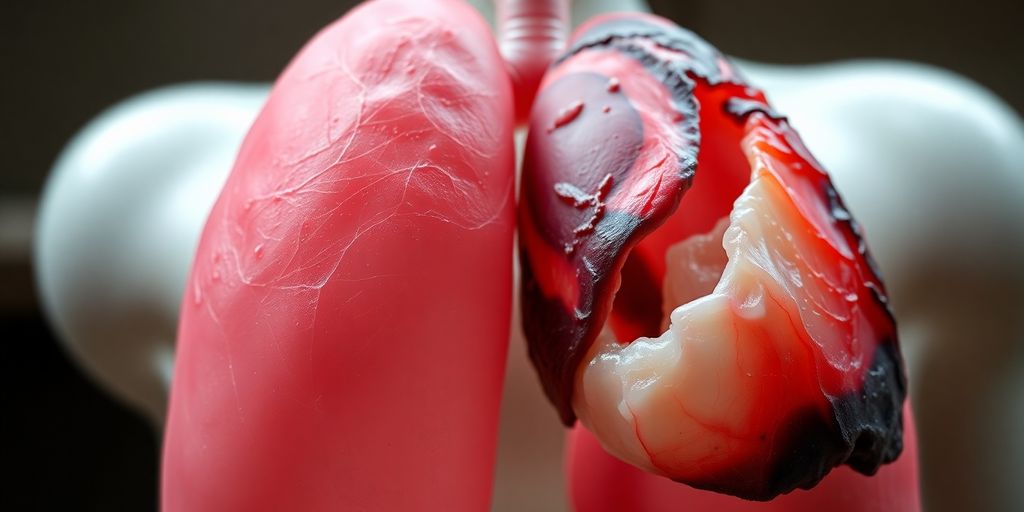
It’s no secret that tobacco use is a major player when it comes to lung cancer. I mean, we’ve been hearing it for years, right? But it’s still super important to understand just how much it messes with your lungs. Basically, if you’re using tobacco, you’re upping your chances of getting lung cancer big time. Let’s break it down a bit.
Cigarette Smoking
Okay, so cigarettes are the main culprit here. They’re packed with all sorts of nasty chemicals that can damage the cells in your lungs. And it’s not just about how many you smoke a day, but also how long you’ve been smoking. The longer you’re at it, the higher the risk. It’s kind of scary when you think about it. Quitting is seriously the best thing you can do for your health. There are resources out there to help you quit, like support groups and medications. It’s tough, but so worth it. Did you know that approximately 40% of cancer cases in the U.S. are linked to modifiable risk factors? That means you can make changes to lower your risk. Lifestyle changes can make a big difference.
Cigar And Pipe Smoking
Now, some people think that cigars and pipes are somehow safer than cigarettes. News flash: they’re not. They still contain carcinogens that can lead to lung cancer. Plus, cigar smokers often inhale more deeply because of the size of the cigar, which can actually increase the risk. Pipe smoking isn’t any better. It’s still smoke going into your lungs, and that’s never a good thing. So, yeah, if you’re puffing on cigars or pipes thinking you’re avoiding the risks of cigarettes, think again. It’s all bad news for your lungs.
Secondhand Smoke Exposure
Okay, so even if you don’t smoke, you’re not totally in the clear. Secondhand smoke is a real issue. If you’re around people who are constantly lighting up, you’re inhaling their smoke, and that can increase your risk of lung cancer too. It’s especially dangerous for kids, who are more vulnerable to the effects of smoke. It’s just not fair. Try to avoid places where people are smoking, and if you live with a smoker, encourage them to quit or at least smoke outside. Secondhand smoke is projected to cause approximately 6,000 lung cancer cases in 2025. That’s a lot of people! It’s important to be aware of the dangers of secondhand smoke and take steps to protect yourself and your family. It’s a serious health hazard.
Environmental Factors Contributing To Lung Cancer
It’s not just smoking that puts you at risk for lung cancer. The environment around you plays a big role too. Things in the air, in your home, and even at your workplace can increase your chances of developing this disease. It’s kind of scary when you think about it, because you can’t always control what you’re exposed to. But knowing the risks can help you take steps to protect yourself.
Air Pollution
Air pollution is a big problem, especially in cities. The tiny particles and gases in polluted air can damage your lungs over time. It’s like a slow burn, constantly irritating your airways. Think about it: every breath you take in a polluted area is potentially harmful. It’s not just car exhaust either; industrial emissions and even things like wood-burning stoves contribute to the problem. The World Health Organization has a lot of information about air quality and its impact on health.
Radon Exposure
Radon is a naturally occurring radioactive gas that you can’t see, smell, or taste. It comes from the breakdown of uranium in soil and rock. The problem is, it can seep into homes and buildings through cracks in the foundation. Radon exposure is actually the second leading cause of lung cancer in the United States, and it’s the number one cause among non-smokers. You can buy a radon test kit at most hardware stores to check the levels in your home. If the levels are high, you’ll need to take steps to reduce them, like sealing cracks and improving ventilation.
Asbestos And Other Carcinogens
Asbestos is a mineral that was once widely used in construction materials because it’s strong and fire-resistant. But it’s also a known carcinogen, meaning it can cause cancer. When asbestos fibers are inhaled, they can get lodged in the lungs and cause inflammation and scarring, which can eventually lead to lung cancer. Other carcinogens, like arsenic, chromium, and nickel, can also increase your risk. These are often found in industrial settings, so workers in certain industries need to be especially careful. Here are some things to keep in mind:
- Always follow safety regulations in the workplace.
- Use protective equipment, like masks and respirators.
- Be aware of the potential hazards in your environment.
Genetic Predisposition To Lung Cancer
It’s easy to think that lung cancer is solely caused by smoking or exposure to bad stuff in the environment, but genetics can also play a role. Basically, some people are just born with a higher risk because of the genes they inherited. It’s not a guarantee they’ll get lung cancer, but it does increase the chances. It’s like having a slightly weaker immune system – you might be more likely to catch a cold, but it doesn’t mean you definitely will.
Family History Of Lung Cancer
If you have a family history of lung cancer, it’s something to be aware of. It doesn’t mean you’re doomed, but it does mean you might want to be extra careful about avoiding other risk factors, like smoking. Having a parent, sibling, or child who had lung cancer can increase your risk. It’s not always clear if this is due to shared genes, shared environments, or a combination of both. I remember reading a study about how families who live together often share similar lifestyle habits, which can make it hard to separate the genetic factors from the environmental ones. It’s a complex puzzle, really.
Inherited Genetic Mutations
Sometimes, specific genetic variants can be passed down through families that increase the risk of lung cancer. These mutations can affect how cells grow and repair themselves, making them more likely to become cancerous. It’s like having a tiny glitch in your body’s operating system. These mutations are rare, but they can have a big impact. If you know you have a family history of lung cancer, it might be worth talking to your doctor about genetic testing. It’s not for everyone, but it can provide valuable information.
Ethnic And Racial Disparities
Lung cancer doesn’t affect everyone equally. There are differences in incidence and outcomes among different ethnic and racial groups. For example, some studies have shown that certain groups may be more likely to develop lung cancer at a younger age or have different types of lung cancer. These disparities can be due to a mix of factors, including genetics, environmental exposures, and access to healthcare. Understanding these differences is important for improving screening and treatment for all populations. It’s a reminder that healthcare needs to be tailored to meet the needs of diverse communities.
Occupational Hazards Linked To Lung Cancer
Certain jobs can really increase a person’s risk of getting lung cancer from asbestos or other hazards. It’s not just about smoking; what you do for a living matters too. Some industries expose workers to dangerous substances that can damage their lungs over time. It’s a serious issue that needs more attention and better safety measures.
Exposure To Carcinogenic Substances
Many workplaces contain carcinogens, substances directly linked to cancer. The type and duration of exposure play a big role in determining the level of risk. For example:
- Asbestos: Once common in construction, it’s now known to cause mesothelioma and lung cancer. secondhand smoke is also a risk.
- Arsenic: Found in some pesticides and industrial processes, it’s a known lung carcinogen. occupational exposure to arsenic is dangerous.
- Silica: Exposure to crystalline silica dust, often in construction and mining, can lead to lung cancer.
Workplace Safety Regulations
Regulations are supposed to protect workers, but they’re not always enough. Companies need to follow strict guidelines to minimize exposure to dangerous substances. This includes:
- Providing proper ventilation systems.
- Offering protective equipment like masks and respirators.
- Regularly monitoring air quality.
- Training employees on how to handle hazardous materials safely.
However, enforcement can be spotty, and some companies cut corners to save money. This puts workers at risk, and it’s a major problem that needs addressing.
High-Risk Occupations
Certain jobs carry a higher risk of lung cancer due to the nature of the work. These include:
- Miners: Exposed to radon, silica, and other harmful substances.
- Construction workers: Deal with asbestos and other carcinogens.
- Factory workers: May encounter various chemicals and fumes.
- Firefighters: Face exposure to smoke and toxic fumes during fires.
It’s important for people in these professions to be aware of the risks and take precautions. Regular check-ups and screenings can also help catch any problems early.
Age And Gender Considerations In Lung Cancer Risk
It’s no secret that getting older changes a lot of things, and unfortunately, that includes your risk for certain diseases. Lung cancer is one of those. And, surprisingly, gender plays a role too. Let’s break it down.
Age As A Risk Factor
Age is a big one. The older you get, the higher your risk. It’s just a fact. This is largely because cells have had more time to accumulate damage over the years, increasing the likelihood of cancerous mutations. Think of it like this: the longer you drive a car, the more likely it is to need repairs. Same with your body. The median age for a lung cancer diagnosis is 71, which is something to keep in mind. It’s not like younger people are immune, but the risk definitely climbs as you age. For more information, see this page about cancer risk.
Gender Differences In Incidence
Okay, so here’s where it gets interesting. Men used to get lung cancer way more often than women. But that’s been changing. While men still have a higher rate, the gap is closing. This is probably because of changes in smoking habits over the years. Men used to smoke a lot more, but now smoking rates are more similar between genders. Still, there are some differences. The age and sex-adjusted incidence rate of lung cancer is reported as 18.78 per 100,000 person-years, with a significantly higher rate of 32.19 for males compared to 9.42 for females. You can read more about the incidence rate on this page.
Hormonal Influences
This is an area that scientists are still trying to figure out completely, but there’s some evidence that hormones might play a role in lung cancer risk, especially in women. Some studies suggest that estrogen could affect how lung cancer develops and grows. It’s not a simple cause-and-effect thing, but it’s something researchers are looking into. It’s all pretty complicated, but here are a few things to consider:
- Hormone replacement therapy (HRT) and its potential impact.
- The role of estrogen receptors in lung cancer cells.
- How hormonal changes during menopause might affect risk.
It’s important to remember that this is still an area of active research, and we don’t have all the answers yet. But it’s something to keep an eye on as more studies come out.
Lifestyle Choices Affecting Lung Cancer Risk
It’s easy to forget that what we do every day can really add up, for better or worse. When it comes to lung cancer, some of our lifestyle choices can play a surprisingly big role. It’s not just about avoiding the obvious things like smoking; there’s more to it than that. Let’s take a look at some of the key areas.
Diet And Nutrition
What you eat matters. A lot. There’s growing evidence that a diet rich in fruits and vegetables can help lower your risk of lung cancer. I mean, we’ve all heard it a million times, but it’s true. Antioxidants and other good stuff in these foods can protect your cells from damage. On the flip side, diets high in processed foods and red meat might increase the risk. It’s all about balance, right?
Physical Activity Levels
Staying active isn’t just good for your heart; it’s good for your lungs too! Regular exercise can help keep your lungs healthy and strong. Plus, it can boost your immune system, which is always a good thing. I know it’s hard to find the time, but even a little bit can make a difference. Here are some ideas:
- Take the stairs instead of the elevator.
- Go for a walk during your lunch break.
- Find a workout buddy to stay motivated.
Alcohol Consumption
Okay, this one’s a bit tricky. Some studies suggest that heavy alcohol consumption might increase the risk of lung cancer, especially if you’re also a smoker. It’s like a double whammy. But, you know, everything in moderation. If you’re concerned, maybe cut back a little? It probably wouldn’t hurt. To prevent lung cancer, avoid smoking and exposure to secondhand smoke, as cigarette smoking is responsible for 80% to 90% of lung cancer deaths in the U.S. Cigarette smoking is the leading risk factor for lung cancer, responsible for approximately 80% to 90% of lung cancer deaths in the United States. So, if you smoke, consider quitting smoking.
Chronic Lung Diseases And Their Association With Lung Cancer
It’s pretty well-known that lung cancer isn’t just about smoking. Other lung problems can really increase your chances of getting it. Let’s break down some of these conditions and how they connect to lung cancer.
Chronic Obstructive Pulmonary Disease (COPD)
COPD is a big one. It’s basically a group of lung diseases that block airflow and make it hard to breathe. Think emphysema and chronic bronchitis. Having COPD can significantly raise your risk of lung cancer. It’s not just the damage to your lungs; the inflammation from COPD seems to play a role too. It’s like your lungs are already in a weakened state, making them more vulnerable. A recent study indicates that while tobacco smoking is a known risk factor for lung cancer, factors such as age, smoking history, and chronic obstructive pulmonary disease (COPD) may interact in complex ways to influence lung cancer risk.
Pulmonary Fibrosis
Pulmonary fibrosis is another serious condition where lung tissue gets damaged and scarred. This scarring makes it hard for your lungs to work properly. The thing with pulmonary fibrosis is that the cause isn’t always clear. Sometimes it’s from exposure to certain things, other times it’s just…there. And, yep, it can increase your lung cancer risk. It’s thought that the constant repair and inflammation in the lungs contribute to this increased risk.
Tuberculosis And Lung Cancer Risk
Tuberculosis (TB) is an infectious disease that usually attacks the lungs. Even after TB is treated, it can leave lasting damage. Studies have shown a link between TB and a higher risk of lung cancer. It could be because of:
- The scarring from TB
- The chronic inflammation
- The fact that TB can weaken the lungs, making them more susceptible to cancer
A new global resolution aims to enhance lung cancer detection, particularly for individuals with tuberculosis (TB) and chronic obstructive pulmonary disease (COPD), who face significantly higher risks.