
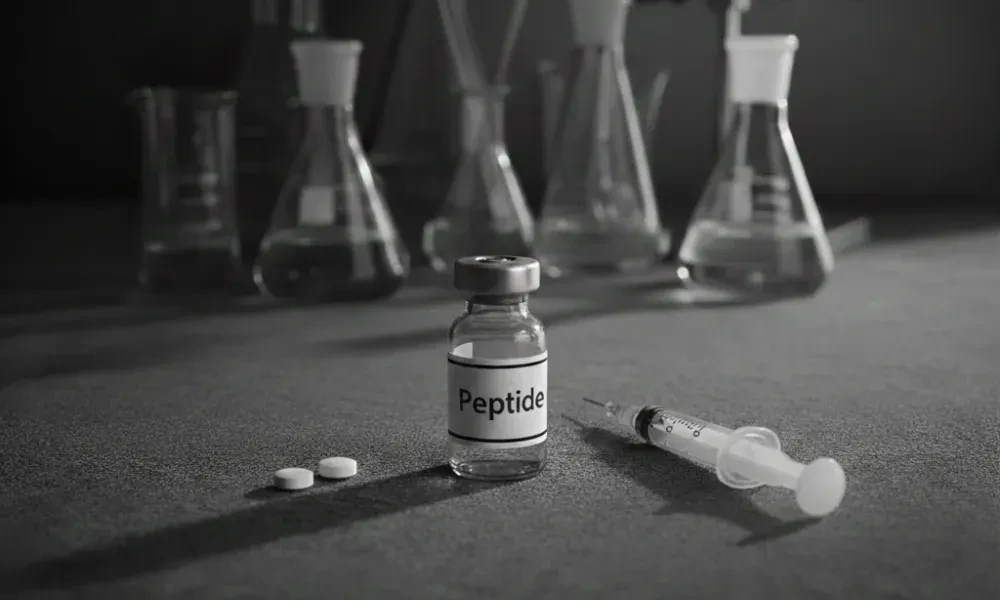
Glutathione research examines antioxidant activity through controlled laboratory models that show how cells respond to reactive compounds. The peptide glutathione is commonly examined for its role in maintaining cellular balance during oxidation-related processes. Researchers can assess changes through selected measurements while keeping testing conditions consistent.
These observations provide useful insight into cellular activity and support structured laboratory investigations. Research may also examine buy glutathione uk in specific experimental contexts to study responses associated with glutathione administration.
Antioxidant Activity Within Cells
Antioxidant activity involves processes that help manage reactive molecules formed during normal cellular functions. Glutathione can participate in these processes through interactions that researchers can examine under controlled conditions. Laboratory models allow selected reactions to be observed without changing several variables at once. This provides a clearer view of how cellular balance may shift during controlled oxidation-related testing.
Cellular Oxidation Research Methods
Laboratory investigations can use different testing methods to examine oxidation-related changes within selected cellular models. Researchers may monitor specific markers before comparing results across separate experimental groups. The glutathione peptide can be examined alongside these measurements to understand relationships between antioxidant activity and cellular responses.
Concentration And Testing Conditions
Concentration levels can influence observations during laboratory studies involving antioxidant activity. Researchers may examine different amounts under controlled settings to identify changes between selected samples.
- Selected concentrations help compare responses across separate laboratory samples.
- Defined exposure periods support consistent observation throughout each testing stage.
- Sample preparation keeps starting conditions similar between experimental groups.
- Measurement intervals provide useful points for tracking cellular changes.
- Controlled surroundings help maintain reliable conditions during repeated observations.
Reactive Molecule Interactions
Reactive molecules can participate in oxidation processes that influence cellular activity. Antioxidant research examines how the glutathione peptide interacts with these compounds under selected laboratory conditions. Researchers may compare molecular changes across different testing arrangements to understand variations in cellular responses. These findings can also support research involving buy glutathione uk in selected experimental settings.
Research Findings And Applications
Laboratory research can combine biochemical measurements with cellular observations to develop a clearer picture of antioxidant processes. The glutathione peptide may be examined alongside selected markers associated with oxidation-related activity. Researchers can compare results from separate models to identify recurring response patterns without extending observations beyond tested conditions.
FAQ
What does glutathione research examine within controlled laboratory models?
It examines antioxidant activity alongside selected cellular response measurements.
Why are concentration levels important during antioxidant research studies?
They help compare responses under different controlled experimental conditions.
How are oxidation-related changes assessed during laboratory research?
Researchers monitor selected markers across carefully controlled testing conditions.