
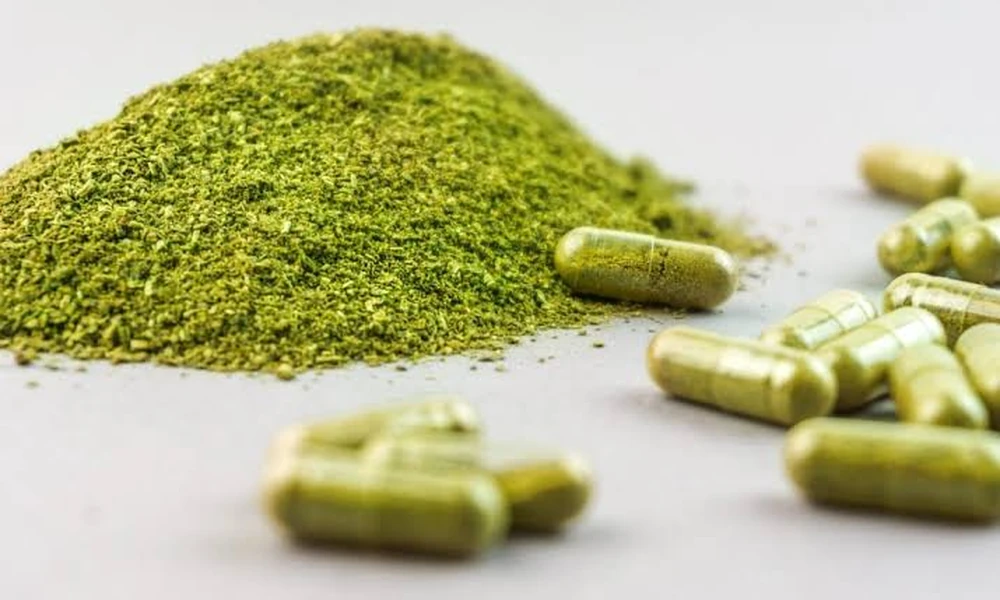
Researching unfamiliar plant products requires clear information about their source, contents and possible risks. Kratom powder comes from the leaves of a tropical tree and contains natural compounds that affect the body. People searching for kratom for sale should understand product quality and local rules before considering any purchase. Reliable research means checking scientific evidence rather than relying on seller claims or personal stories. A careful approach helps readers recognise uncertainty and make informed decisions about safety.
Understanding Kratom Plant Origins
Kratom comes from the leaves of Mitragyna speciosa, a tropical tree. Its leaves contain compounds that interact with certain receptors in the human body.
Learning About Powder Production
Producers typically dry harvested leaves before grinding them into powder. Processing methods can affect colour and consistency, although appearance alone cannot confirm quality.
Recognising Important Natural Compounds
Mitragynine and 7 hydroxymitragynine are two notable kratom alkaloids. Their levels vary between products, so effects may differ across samples.
Recognising Risks From Combined Substances
- Alcohol may increase unwanted effects when combined with kratom.
- Sedating medicines can raise safety concerns.
- Other substances may change how the body responds.
- Unknown mixtures make risks harder to predict.
- Ask a qualified health professional about possible interactions.
Understanding Research Limitations And Gaps
- Human studies remain limited in several important areas.
- Product strength varies between samples.
- Long term effects require further investigation.
- Personal accounts cannot replace controlled research.
- Findings from one product may not apply to another.
Exploring Traditional Patterns Of Use
Kratom has a history of traditional use in some communities. Historical practices do not establish that every modern product is safe.
Understanding Differences Between Products
Powders may vary in strength and composition. Added ingredients or concentrated extracts can create additional risks compared with plain leaf material.
Reviewing Available Scientific Evidence
Research into kratom continues to develop. Some findings come from laboratory studies or reports from users, which cannot establish every claimed effect.
Recognising Possible Short Term Effects
Reported effects include changes in alertness and mood. Some people also experience nausea or dizziness, while responses differ according to several factors.
Checking Laws Before Considering Purchases
- Rules differ between countries and regions.
- Possession may be restricted in certain areas.
- Import requirements can differ from local sales rules.
- Online listings do not prove legal compliance.
- Check current government guidance before taking action.
Evaluating Seller Claims Carefully
- Be cautious of promises about guaranteed results.
- Check whether product details are specific and clear.
- Look for independent evidence supporting quality claims.
- Avoid sellers who hide ingredient information.
- Treat customer reviews as personal opinions rather than scientific proof.
Reviewing Information Before Making Decisions
- Compare findings from several reliable sources.
- Check publication dates and research methods.
- Separate proven findings from early suggestions.
- Review warnings from relevant public health agencies.
- Record unanswered questions for further investigation.
A responsible review begins with verified facts rather than advertising claims. Anyone investigating kratom for sale should examine ingredient details and current legal requirements. Scientific findings also deserve careful reading because evidence remains incomplete. Comparing independent sources can reveal gaps in product information. Avoid assuming that natural origin guarantees safety. When questions involve personal health or possible interactions, seek guidance from a qualified professional before making decisions.