
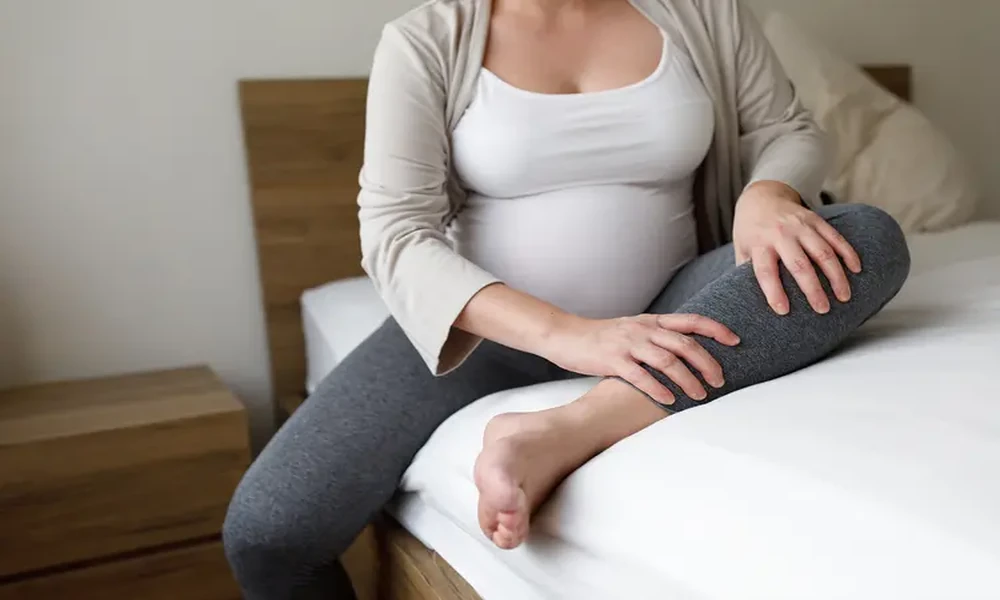
Nighttime muscle discomfort can interrupt rest without warning. A sudden tightening sensation may leave the lower legs feeling sore even after movement stops. These episodes often involve muscles that contract unexpectedly while the body rests. Understanding their possible causes helps people recognise patterns and make useful changes to daily habits. Knowing the signs also helps determine when professional guidance may be useful.
These nighttime muscle contractions are known as leg cramps at night, and recognising their triggers can help people find relief and enjoy more restful nights.
Common Triggers During Rest
Muscles remain active even when the body is resting. During sleep, changes in posture can place certain muscles in a shortened position. Staying still for extended periods may also contribute to discomfort. Physical activity during the day can influence how muscles feel later.
Several everyday factors may play a part in nighttime discomfort. Their influence varies between individuals, so noticing personal patterns can help identify possible triggers.
– Extended sitting may leave calf muscles feeling tight.
– Heavy activity can increase muscle fatigue before bedtime.
– Limited fluid intake may affect normal muscle function.
Muscle Responses During Sleep
A sudden contraction occurs when muscle fibres tighten without deliberate control. The affected area may feel firm or knotted beneath the skin. This response can last briefly or continue for several minutes. The calf is commonly involved, although the feet and thighs can also be affected.
Everyday Habits That Matter
Daily routines can influence how the legs feel during rest. Long periods of sitting may reduce regular movement, while demanding physical activity can leave muscles tired. Changes in hydration may also affect normal muscle function.
Simple habits can support better muscle readiness before sleep. Regular movement throughout the day may help reduce stiffness. A calm bedtime routine can also make it easier to notice discomfort early.
Hydration and Mineral Balance
The body needs enough fluid to maintain normal muscle activity. Sweating during physical effort increases fluid loss, making regular drinking important throughout the day. Minerals such as potassium, calcium and magnesium also support muscle function, helping promote muscle comfort and reduce the likelihood of leg cramps at night.
A balanced eating pattern can help provide these nutrients. However, nighttime discomfort does not automatically mean a mineral shortage. Unnecessary supplements may create problems, so personal concerns about nutrient levels are best discussed with a qualified health professional.
Relief Through Gentle Movement
When a muscle tightens suddenly, slow movement may help it relax. For calf discomfort, gently straightening the knee while drawing the toes toward the body can stretch the affected area. Standing carefully may also help when balance is steady.
Recognising Patterns and Warning Signs
Occasional nighttime discomfort may follow activity or prolonged rest. Repeated episodes deserve closer attention, especially when they interrupt sleep or affect daily movement. The pattern, duration and location can offer useful information about possible causes.
Professional advice is important when discomfort becomes frequent or continues despite routine changes. Seek prompt assessment for severe pain, swelling, redness, weakness or unusual skin changes. Sudden breathing difficulty alongside leg symptoms requires emergency help.
A consistent bedtime routine can make nighttime discomfort easier to manage. Notice which activities leave your legs feeling tired, then adjust your daily schedule gradually. Gentle stretching before rest may support muscle flexibility. Keep regular drinking habits throughout the day. When symptoms continue or change, seek professional guidance to understand their cause and find suitable next steps.
FAQ
Why do leg muscles tighten suddenly during sleep?
Muscle fatigue, prolonged rest or changes in posture may contribute.
Can gentle stretching help reduce nighttime muscle discomfort?
Yes, gentle stretching may ease tightness and support muscle relaxation.
When should repeated nighttime discomfort receive professional attention?
Seek guidance when episodes frequently interrupt sleep or cause persistent pain.