

Almost 80% of the population in New Jersey experiences some back or neck at some point in their life. Spinal stenosis can be one of the causes of your back and neck pain. The condition affects your spinal cord by narrowing the openings of the vertebrae.
One of the best ways to preserve the health of your bones and overall body is exercise. Staying active is the key to good health. A west orange lumbar spinal stenosis recommends physical therapy to manage the symptoms. But make sure to find something enjoyable and doable.
Exercise does not have to be strenuous for it to be effective. Read this blog about the benefits of physical therapy to manage the symptoms of lumbar spinal stenosis.
What is spinal stenosis?
When the gaps between your vertebrae narrow and press against the vertebral column (central stenosis) or nerve (lateral stenosis), it results in spinal stenosis. It occurs in the neck or lower back.
The most common reason for spinal stenosis is aging. Here are some of the causes:
- Osteoarthritis: It is a condition that causes the cartilage between your joints to deteriorate. The human body responds by creating extra bones, which then press on the nerves where they leave the spinal canal.
- As people age, their spinal discs flatten, and the spaces between vertebrae reduce. There is very limited space for nerves to exit from the spinal cord.
Some other factors can contribute to the development of spinal stenosis, including spinal injuries, spinal tumors, bone diseases, and thickening of certain spinal ligaments.
Physical therapy for spinal stenosis
Physical therapy for individuals with spinal stenosis can help them achieve the following goals:
- Relieving nerve compression.
- Making the core muscles stronger.
- Decreasing pain and joint stiffness.
- Improving alignment of the lumbar spine.
- Boosting leg strength for better balance and overall function.
Stretching the lower back muscles can help relieve tightness and pain, especially the ones that run diagonally from the pelvis to the spine. It can improve your overall lumbar mobility and range of motion.
Make sure to include exercises for stretching your hip muscles as they are connected to the pelvis, which is directly connected to the lumbar spine. Lack of mobility in the hip muscles can hinder the mobility of the lumbar spine.
Your physical therapist will also include exercises to strengthen your core muscles. Core exercises are important for strengthening your abdominal muscles, which include those in your trunk, pelvis, lower back, hips, and abdomen.
Patients with spinal stenosis often have weak and inactive core muscles. Core exercises activate your deep abdominal muscles in the beginning and progress accordingly. Since spinal stenosis can also affect your leg muscles, your exercises will also include strengthening your leg muscles, including your glutes.
Benefits of exercising for spinal stenosis
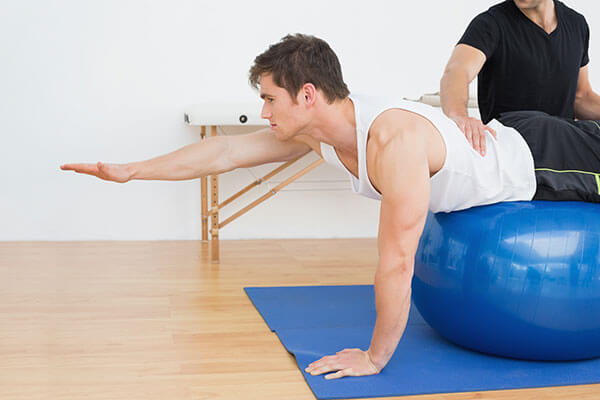
There are various benefits of exercising for spinal stenosis patients. Here are some of them:
- Exercise increases blood circulation in the body. This allows for oxygen and other nutrients to reach the affected area while washing out the toxins.
- Exercise helps your body become more flexible. As a result, you do not experience stiffness or tightness that can pull the spine and worsen the symptoms.
- Exercise allows people to maintain a healthy body weight. As a result, it prevents leg and back pain from worsening.
- Exercise helps strengthen the muscles around the spine. It reduces pressure on the bones and other structures in the back.
- Finally, staying active improves your emotional health as well. Getting up and moving around increases endorphins, which is a pain-relieving component in the human body.
Get treated today!
Spinal stenosis is a common source of back pain. Physical therapy can greatly help with managing the symptoms of spinal stenosis. Thanks to advancements in the medical field, there are ways to manage the symptoms. Call an expert and schedule your appointment today!