
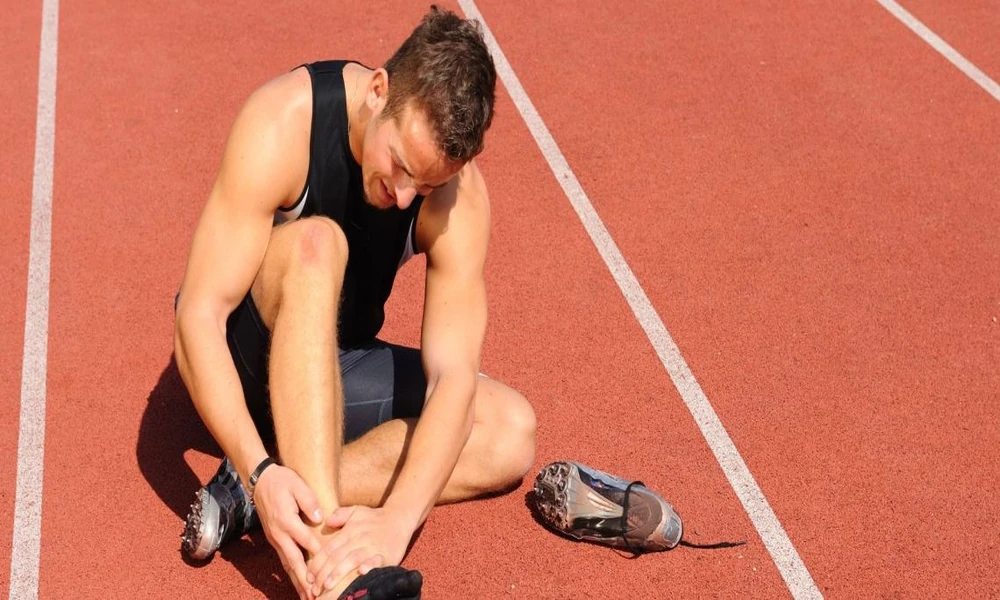
If you spend time with people who run marathons, do triathlons, or frequent the gym, you will soon hear them talk about muscle spasms. Runners and athletes communicate about cramp weight. They treat it like something big and important, almost like a badge of caution and respect. Additionally, they always consider and plan for. People who paint at a desk experience rapid, random muscle pain even when sitting down. But for athletes and gym fanatics, leg cramps feel an awful lot bigger.
They often wonder what causes the cramps. Every time their muscle tissues feel tight, they see it as trouble they want to fix before their next race or workout. For most people who aren’t into sports, cramps can feel like a minor annoyance.
But for the athlete, what causes leg cramps, it can reduce the blight of months of practice and hard work to understand why sports lifestyle says a lot about this. You have to be careful of what is going on in the muscle tissues when anyone works as hard as possible.
The Perfect Storm: Exertion, dehydration, and electrolytes
Muscle spasms occur when your muscle suddenly tightens. You can’t manage it, and it hurts. This tightening will prevent the muscle from relaxing. One can have muscle spasms. However, when you do a lot of sports or training, the chances of cramping can be greater due to the way your body works at one time. When people who play sports activities put their bodies through hard training or participate in competitive games, three things work together:
- Nerve muscle fatigue: When you push your muscles in ways that allow you to move, it adjusts how the nerves map with the spinal machinery of your muscles. As your nerves begin to wear out, the muscle spindles react more than regularly. This makes the muscle really tight and not enjoyable in the right way.
- Dehydration: Drains water out of the frame if you sweat a lot over the duration of a long session. This reduces the blood volume and prevents the frame from sending enough fluid to the active motor devices.
- Electrolyte depletion: Important minerals like magnesium, potassium, calcium, and sodium guide electrical signals that cause muscles to tighten and relax If you sweat too much of those minerals, the nerves have trouble sending clear alerts. This can cause the muscle to contract or cramp. High-performance games push the frame very hard. They do muscle tissue damage in ways that ordinary people are not responsible for every day. Muscle tissues tighten and relax more regularly and under more pressure during these athletic activities than when doing ordinary work.
The Culture of “The Spasm”: War Stories from the Field
Spasms in sporting activities such as triathlons, trail walking for walks, and road cycling are in addition to just the physical element.
Unexpected cramps-like when your calf tightens up at mile 20 of a marathon or your leg gets beat up swimming-are hard to stop it can also feel like your mind meets your body to stop and adjust as you presumably feel the race. Athletes regularly talk about the downtime of their muscle tissues.
They tell you exactly when it happens and what they are feeling at the time. The cyclist stiffened his flank on a steep climb. The swimmer suffered from having to bend his foot in the direction of the water table even though he was walking in open water.
The runner needed to move to the shoulder, trying hot and cold therapy or doing exercises to loosen up a tight calf. This problem is common to many human beings, and it has helped build a culture around the way to prevent it. Athletes work hard to find what works for them.
They watch what they eat, talk to others about magnesium-rich foods, try unique ways to apply salt, and carry a bag of things like electrolyte gel or cramp aid with them once they race in. When they often say cramps, it’s not always just complaining. The aim is to determine a way to beat the cramps, so that they are not at a loss to do first grade.
Prevention vs. Performance: Managing the Threshold
Because cramps show the line between doing your best and a real problem with your body, handling them is very important in sports science. People who take part in sports learn to spot the early signs that a cramp may come. They can be small spasms or tightness in the leg muscles before a full-blown cramp occurs.
In order to prevent them from going beyond that limit, athletes take more than just one precaution:
Strategic Hydration: It is recommended to begin hydrating yourself earlier rather than waiting for thirst to kick in.
Electrolyte Replenishment: Ensure that you drink enough fluids containing magnesium, potassium, and sodium. This will ensure stable performance of your nerve endings.
Pacing and Conditioning: Take your time to get stronger muscles step by step. This can help keep your muscles from getting tired too soon.
Targeted Mobility: Add warm-up moves before you start and stretch your muscles when you are done. This can help your muscles stay loose when you put weight on them.
Beating the Physical Barrier
Ultimately, athletes tend to speak more about their muscle spasms than other people. The reason for this is that the goals that they set for themselves make them challenge their body’s capabilities. When training intensively for several hours, there is a possibility of experiencing fatigue in certain muscles. Knowing what triggers leg cramps, such as depletion of electrolytes, lack of hydration, and nerve overload in the body, one can work on their nutrition and move on towards the finish line.